

Business
Fascia, an important connective tissue, is not just a structural component but plays a key role in mobility and pain management
Hi, what are you looking for?

Fascia, an important connective tissue, is not just a structural component but plays a key role in mobility and pain management


The Global Fund announced Wednesday a deal with generic pharmaceutical manufacturers to significantly slash the price of a cutting-edge HIV drug, in a move...


Addiction is defined as a treatable, chronic medical disease involving complex interactions among brain circuits, genetics, the environment, and life experiences.


The researchers reasoned that medical digital twins can be used to tailor a given medication so that each patient could be treated with the...


The WHO said that two existing treatments dramatically reduced deaths from Ebola and should be given to people of all ages.


The WHO said it "strongly recommended" Pfizer's Covid-19 antiviral pill Paxlovid for patients with milder forms of the disease.
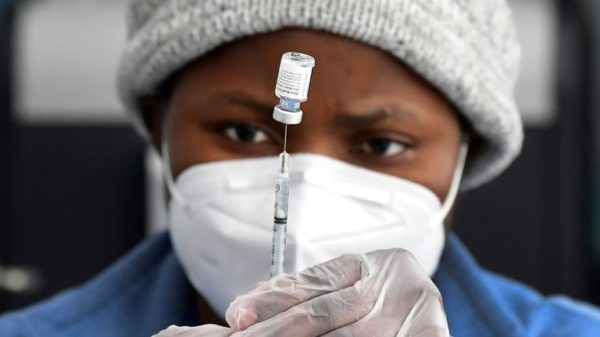

Seeing a doctor? Know as much as you can about your prescribed treatment, including what format you can take it in, potential side effects,...
“I believed she was going to die in my arms,” recounts Marcos Fonseca Barbosa, a doctor forced to improvise home treatment for his Covid-sick...
A Covid-19 antibody therapy used to treat President Donald Trump was approved by the US drug regulator on Saturday for people who aren’t yet...
The anti-viral drug remdesivir should not be used to treat Covid-19 patients no matter how severe their illness as it has “no important effect”...